
UK EV Tax Incentives & Company Car Tax Explained (2026)


The UK government has stacked the tax system heavily in favour of electric vehicles – here is every incentive available in 2026 and exactly what each one is worth.
The combination of ultra-low Benefit in Kind (BIK) rates for electric vehicles and salary sacrifice schemes means high-earners can make significant savings on their Income Tax and National Insurance. Home charging grants can make running an electric vehicle even more affordable.
A benefit in kind electric car is a win-win for both employees and employers. It can enable employers to save up to 15% on National Insurance contributions (NICs) for each salary sacrifice at a net-zero cost for their company. 2026 is the optimal time to utilise electric car tax relief in the UK, with rates rising from 2028.
Benefit in Kind (BIK) Tax: The Biggest EV Incentive
Benefit in Kind (BIK) is a non-cash perk that is provided by your employer, which is also taxable if it is not considered essential for your job. HMRC treats a BIK, such as a company car, as part of your overall compensation from your employer, taxing it accordingly.
BIK tax is shared between the employee and the employer. This tax is typically deducted each month through payroll, meaning that employees do not need to manually pay anything.
- Employees: Income Tax on the BIK value at their marginal rate of 20%, 40%, or 45%.
- Employers: Class 1A National Insurance at 15% on the same BIK value.
Electric vehicles have the lowest BIK tax rate in the UK, making them a cheaper alternative to company cars that run on petrol or diesel. While the BIK rate for EVs will reach 9% by 2030, petrol and diesel cars will see their maximum BIK rate increase to 39% in the same period.
BIK tax is calculated using the car’s list price, known as the P11D value and its CO2 emissions. The P11D value is determined using the car’s list price, VAT, delivery fees, and any additional factory-fitted options. This value does not include road tax or first-registration fees.
As EVs emit zero emissions, they fall into the lowest tax band. For 2026/27, this tax band is just 4% and is scheduled to rise by 1% annually until 2028.
| Financial Year | EV BIK Rate |
|---|---|
| 2026/27 | 4% |
| 2027/28 | 5% |
| 2028/29 | 7% |
| 2029/30 | 9% |
| 2030+ | TBD |
The EV BIK rate will gradually increase as part of the government’s plan to make electric cars more cost-effective than petrol and diesel vehicles. After a 1% annual increase to 2028, the EV BIK rate will increase by 2% in 2028/29 and 2029/30, capping at 9%. 2026-2028 is the best time to take advantage of electric car company tax benefits in the UK.
By 2029/30, electric vehicles will have a BIK rate that is three times lower than the most efficient petrol and diesel cars, while being four times lower than high-emission vehicles.
Worked Example: What Would You Actually Pay?
Let’s look at a worked example using a Tesla Model Y for an employee earning £55,000 per year. The BIK value of an electric vehicle is calculated by multiplying its P11D value at the current BIK rate for that financial year. The tax paid on the BIK will align with the employee’s rate of Income Tax.
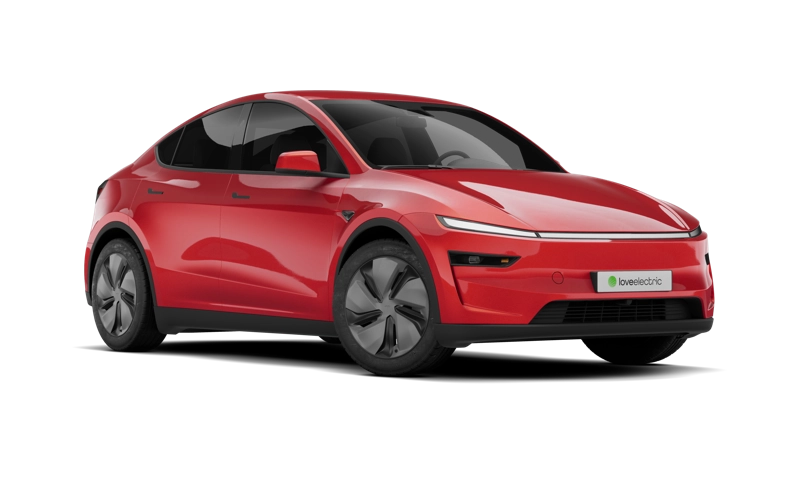
In this scenario, the annual BIK cost of a Tesla Model Y is:
£52,990 x 3% x 40% = £635.88/yr = ~£53/mo.
By comparison, a petrol car with the same BIK value would cost:
£52,990 x 30% x 40% = £6358.80/yr = ~£530/mo.
Which one would you rather choose? This example shows why a benefit in kind electric car is a smarter financial choice than a petrol or diesel alternative for your company car, especially as electric cars will enjoy a favourable BIK rate through to 2030.
Income Tax and National Insurance Savings via Salary Sacrifice
Salary sacrifice enables employees to give up a portion of their gross salary in exchange for a specific benefit. The value of this ‘sacrifice’ is taken from your gross salary, meaning your pay before tax and National Insurance is applied. As the salary sacrifice scheme reduces your gross salary, you’ll pay less income tax and National Insurance as a result.
Your employer uses the equivalent value of your ‘sacrifice’ to cover the cost of a specific benefit, such as childcare vouchers or extra pension contributions. With the cost of diesel and petrol on the rise, more employees are choosing to use salary sacrifice to switch to an electric car.
The real cost of an electric vehicle through salary sacrifice will depend on your income and tax bracket. Employees on the lower rate 20% rate of Income Tax will save differently from higher earners. Most employees can expect to save up to 60% compared to leasing the same electric car privately.
Electric vehicles are even more affordable through salary sacrifice as the savings are compounded by the low BIK tax rate for EVs. Both schemes can be applied simultaneously, meaning that employees on the highest marginal tax rate can make the biggest savings.
Employees earning over £100,000 can use salary sacrifice to reduce their adjusted income to avoid the effective 60% tax trap and regain access to more impactful benefits, such as 30 hours of free childcare.
At loveelectric, we’re specialists in setting up electric car salary sacrifice schemes, working as a broker to allow companies to get the best rates on the market. We’re also a full-service provider, helping companies navigate electric car tax relief in the UK by setting them up with the scheme, taking care of payroll, and answering employees’ questions.
Read our How Does Salary Sacrifice for Cars Work: A Guide to the EV Scheme to find out more about how salary sacrifice works in practice for employees and employers.
Worked Example: Salary Sacrifice Tax and NI Saving
The savings you can access through salary sacrifice will depend on your specific circumstances and annual earnings. Let’s look at a worked example of an employee with a gross salary of £55,000, making a monthly salary sacrifice of £500.
A £55,000 earner will be subject to a 40% rate of Income Tax and a 2% National Insurance contribution. By making a salary sacrifice of £500/mo or £6,000/yr, this type of earner will make an effective saving of 42% on each £1 sacrificed, or an annual saving of £2,520.
Salary sacrifice schemes are a smart way of making your money work harder for you. Got a specific type of EV in mind for your salary sacrifice? Check out 9 salary sacrifice electric car examples with options at every tax threshold.
Comparison Table: Salary Sacrifice vs. Standard Company Car Tax
| Taxpayer Rate | Annual BIK Cost (EV) | Income Tax Savings (Salary Sacrifice) | NI Saving | Net Annual Saving vs Petrol Company Car |
|---|---|---|---|---|
| 20% | £318 | £1,200 | £480 (8%) | £4,541 |
| 40% | £636 | £2,400 | £120 (2%) | £8,243 |
Potential savings will depend on your annual salary and individual circumstances. The above figures should only be taken as an estimate. Unlock a personalised quote and start exploring our available EVs today.
Employer National Insurance Savings
Electric car company car tax schemes are designed to be cost-neutral for employers, as our loveelectric service fee is balanced against their National Insurance savings.
Companies can save 15% on National Insurance contributions on each salary sacrifice, compared to 13.8% in April 2025.
Although employers continue to pay Class 1A NIC on the car’s BIK value, the potential VAT recovery and NIC savings will usually entirely offset this cost.
For example, if your company has 50 employees making a salary sacrifice of £500 per month, it can result in an annual saving of £45,000 for NIC.
Loveelectric’s Early Termination Protection and optional Zero Risk Guarantee mean that employers will never be left with unexpected costs if an employee leaves. Our team can guide you through the process and get your salary sacrifice scheme online in as little as seven days. You can check your company’s eligibility in just 1 minute.
Home EV Charger Grants in the UK
The government has extended its home EV charger grant (LEVI) until March 2027, offering a more streamlined option to the previous OZEV scheme. The maximum support available has increased from £350 to £500 for this final extension. This grant is intended to help with the cost of buying and installing charge points for electric vehicles.
Although the home charger grant was initially applied only to homeowners with private driveways, it has broadened over time to include renters and those who require on-street charging solutions. LEVI can cover 75% of the purchase and installation costs for new at-home EV chargers.
The UK government offers a variety of grants and electric car tax benefits, including workplace charging support and the Plug-In Car Grant. Read our complete guide to government grants for electric cars for more information on how these schemes can significantly reduce the cost of switching to electric.
The loveelectric Charge Card makes going electric even more affordable with up to 60% off every charge, both at home and in public. With input from leading tax specialists, the Charge Card follows HMRC guidance for company car drivers. Each employee has a pre-agreed salary sacrifice arrangement, making it low-risk and compliant for your business.
Salary sacrifice employees can also take advantage of our partnership with Hypervolt for affordable home charger solutions. The Hypervolt Home 3.0 Pro is one of the best smart chargers on the UK market - without a premium price tag.
Capital Allowances for Businesses
There are plenty of reasons for employers to switch to an EV salary sacrifice scheme, but it’s important to understand how your capital allowance works in this scenario.
The UK government allows companies to claim ‘enhanced capital allowances’ (a type of 100% first-year allowance) for electric cars and cars with zero CO2 emissions. Similar deductions are also available for electric vehicle charging equipment, such as on-site charging for employees. Companies can deduct the full cost of new, unused EVs and associated equipment from their profits before tax.
Second-hand EVs do not qualify for 100% first-year allowance, but they do generally qualify for main rate writing down allowances. If your company chooses to lease EVs instead of purchasing them, the leasing cost can be deducted from taxable profits, but you cannot claim capital allowances.
The enhanced capital allowance is currently available for purchases until April 2027. These current rules are correct at the time of writing, but capital allowances for businesses are subject to change.
Summary: The Full Incentive Stack to Maximise Savings
The UK’s electric car company car tax framework has multiple incentives, designed to overlap for maximum savings. These incentives can drastically reduce the cost of running an electric car, from the ultra-low BIK rate to employer National Insurance relief and salary sacrifice tax savings.
Higher-rate taxpayers are well-positioned to make significant adjustments to their taxable income, including the additional government benefits they can access, through these EV incentives.
Current EV company car tax incentives are time-sensitive as the BIK will increase from 2028, making 2026 the best time to take advantage of these overlapping government incentives. Employees and employers can maximise available tax benefits by opting for a benefit in kind electric car in 2026.
| Incentive | Who Benefits | Estimated Annual Value | Source |
|---|---|---|---|
| Low Benefit in Kind (BIK) tax (4%) | Employee | £2,500 - £6,000+ compared to a petrol company car | HMRC |
| Salary sacrifice (income tax saving) | Employee | £1,200 - £2,400 | HMRC |
| Salary sacrifice (NI saving) | Employee | £120 - £480 | HMRC |
| Employer NIC saving (15%) | Employer | ~£900 per employee | HMRC |
| Home charger grant (LEVI scheme) | Employee | One-off grant up to £500 | GOV.UK |
These schemes have made electric cars, particularly those acquired through salary sacrifice, one of the most tax-efficient employee benefits available in the UK today.
Frequently Asked Questions
Q: Are EV tax incentives available to self-employed people?
Some electric vehicle tax incentives in the UK are available to self-employed individuals, but salary sacrifice is only available through PAYE employment.
Q: Will EV tax incentives be reduced?
The BIK rate has already been legislated to rise gradually from 2028, but it remains well below comparable rates for Internal Combustion Engine (ICE) vehicles. The UK government continues to use tax incentives to encourage a transition to electric cars.
Q: How do I claim EV tax relief?
As an employee, the easiest way to claim EV tax relief is through a salary sacrifice scheme. The tax relief will be applied automatically through payroll, meaning there’s nothing additional for you to do.
Ready to Take Advantage of the EV Tax Incentives?
Ultra-low BIK rates, meaningful Income Tax and National Insurance savings, and home EV charger grants have made 2026 the best year to switch to an electric vehicle as your company car. The best salary sacrifice schemes make the switch to electric simple and more cost-effective.
With BIK rates set to rise from 2028, there’s a limited window to maximise your savings as an employer or employee. If you’re considering making the move to electric, you can see your potential savings and explore available cars at loveelectric today.

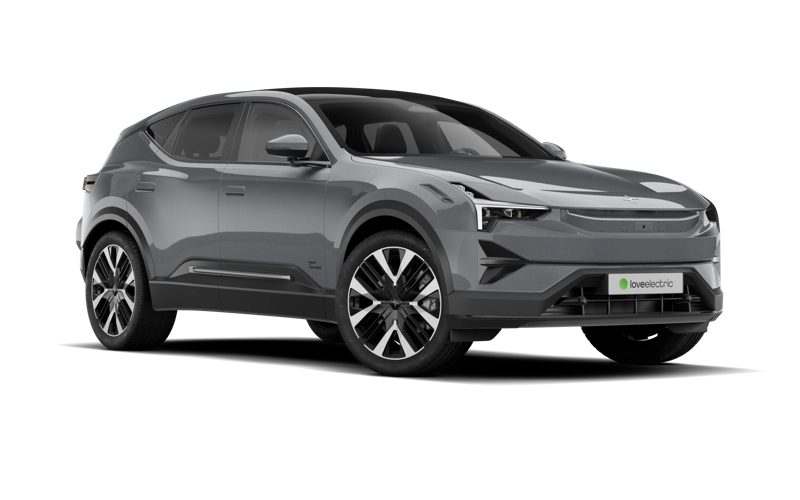
Live monthly prices for popular electric SUVs


Illustrative prices for a 40% taxpayer on a £55,000 salary, 5,000 miles a year on a 48 month term, for the entry derivative of each model. Shows your estimated take home pay reduction; your own price and saving will vary. Prices update daily.